Community case study · Cumbria

Brampton Community Centre: putting the idea into a real community space.

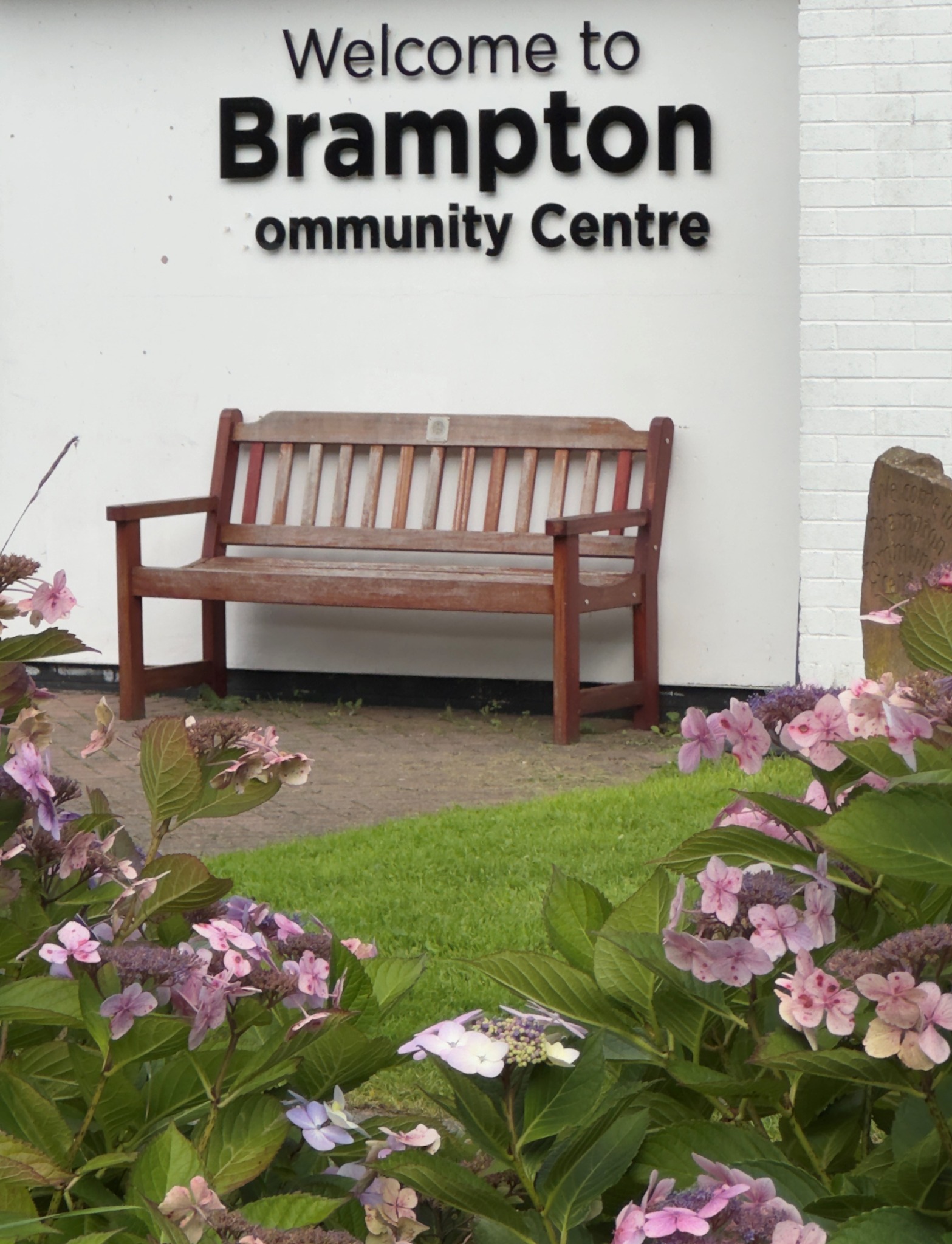
The Brampton work shows how BioCharge Britain can move beyond an individual garden: practical growing, a defined place to observe change, local communication, and a route to involve community groups, families and schools.

Brampton Community Centre and community growing site
BRAMPTONlocal action within the BioCharge Britain story
What the records show

A community project that developed over time.

The company records document a sequence of engagement at Brampton rather than a single promotional visit.

2024 / EARLY ACTIVITY

Community delivery and local trials

BioCharged material was delivered to the community centre, and subsequent local outreach referred to work with Incredible Edible Brampton and invitations for nearby gardeners to take part and provide feedback.

FEB 2026 / ON SITE

“Brampton just got BioCharged”

Project communications record an on-site Brampton meeting and BioCharged activity, followed by a proposal to use a defined area with explanatory signage so changes could be observed and communicated clearly.

MAR 2026 / COMMUNITY NETWORK

BioCharge Brampton

Further records describe readiness for local social-media activity, posters and window material, together with an ambition to use Brampton as a connection point for community organisations and schools across Cumbria.

Why Brampton matters

A possible community-hub model.

A national programme needs places where people can see, learn and participate. A community centre can provide a trusted local setting for practical demonstrations, growing activity, school participation and repeat observation.

The Brampton concept fits naturally with BioCharge Britain’s wider structure: gardens and community spaces make observations, PoMS/FIT Count can provide a recognised method for flower-visiting insect observations where appropriate, and more controlled research sits separately within the scientific programme.

Important evidence boundary.
The Brampton material is presented as a record of community activity and project development. It is not represented as a controlled scientific trial and does not by itself prove that BioCharged treatment caused any particular plant, soil or wildlife outcome.

GROW
OBSERVE
INVOLVE
SHARE

A simple model that can be repeated by other suitable community organisations while keeping evidence claims proportionate.

Brampton project record

What has been documented.

Practical site activity

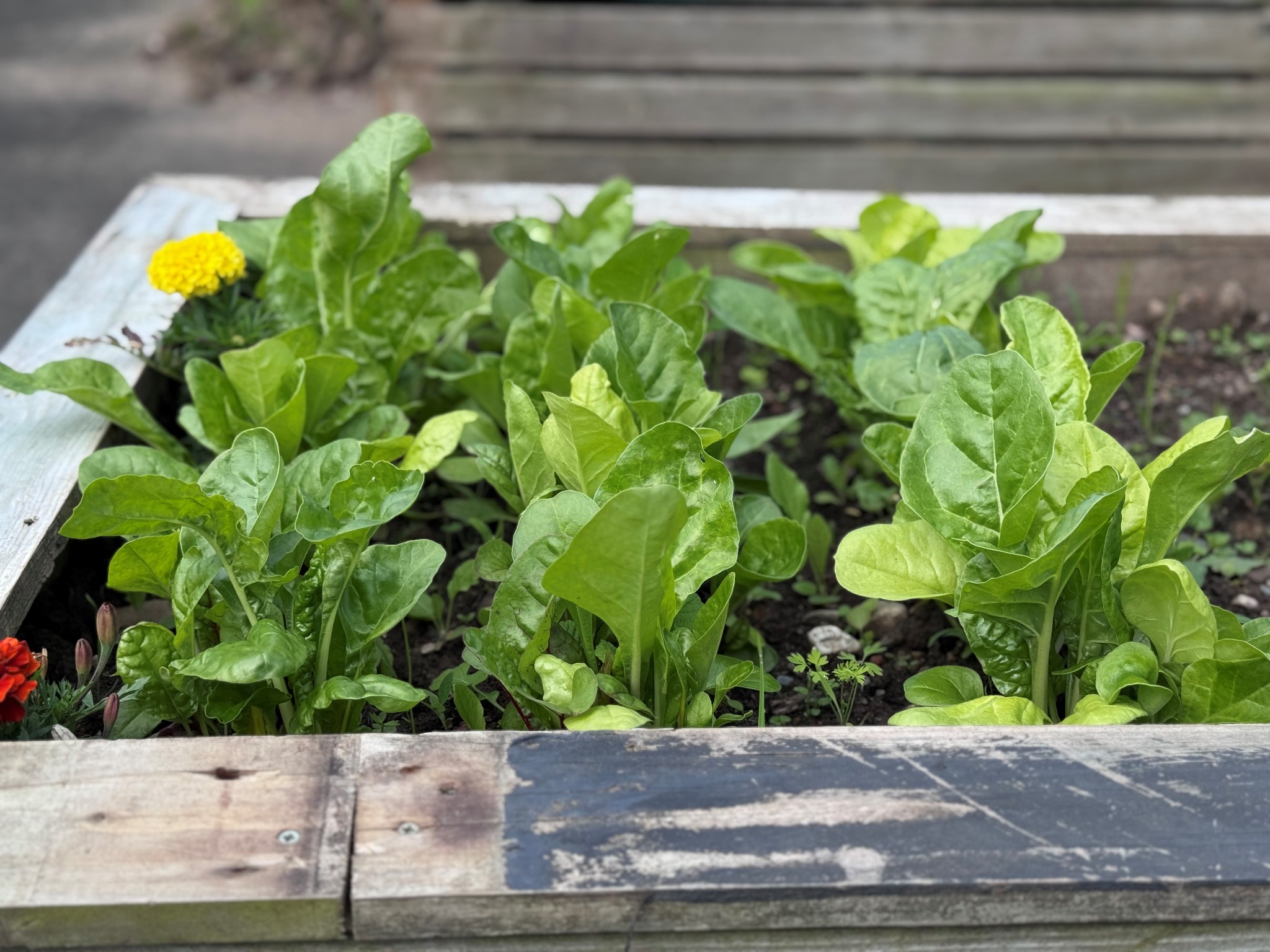
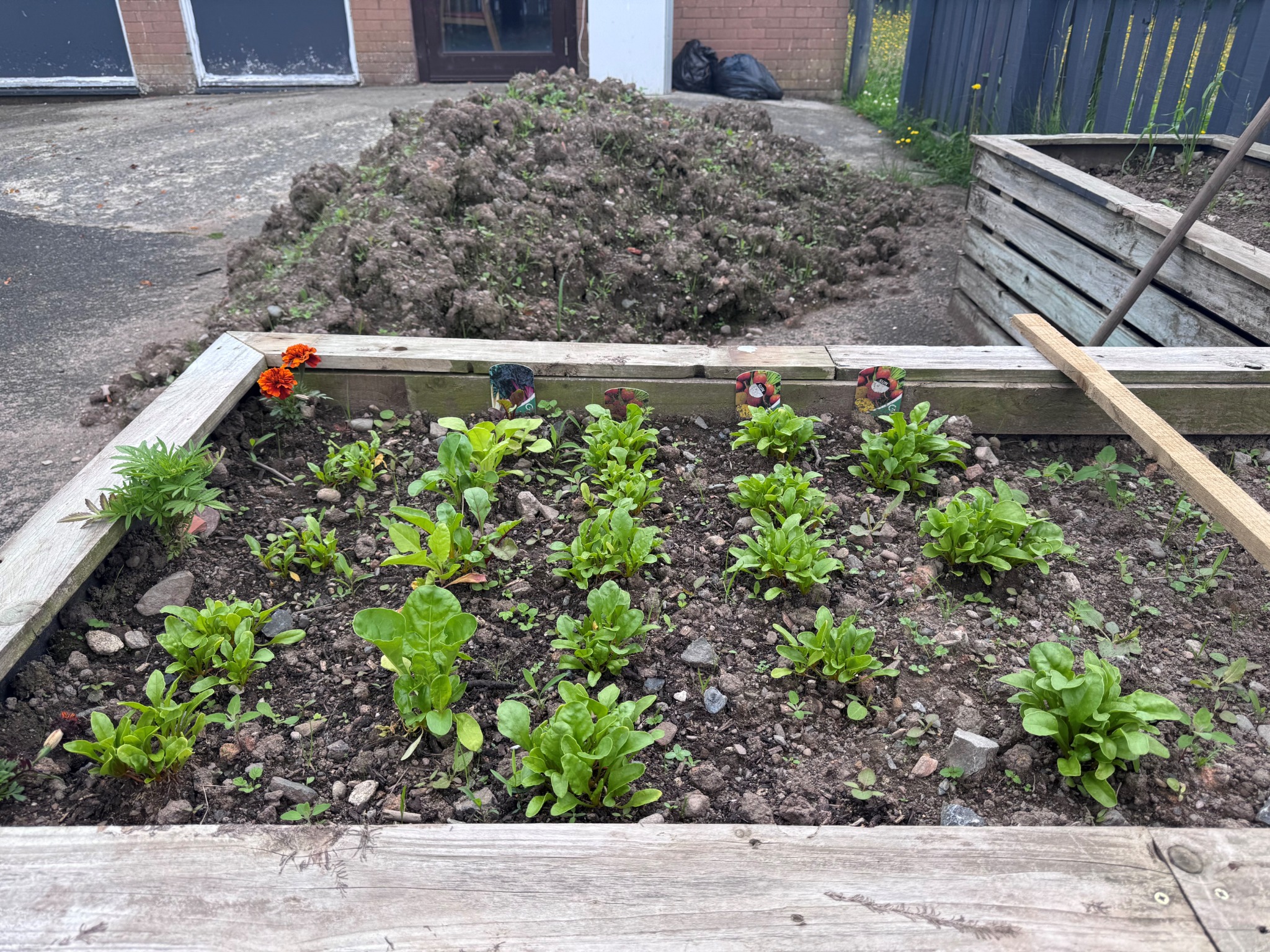
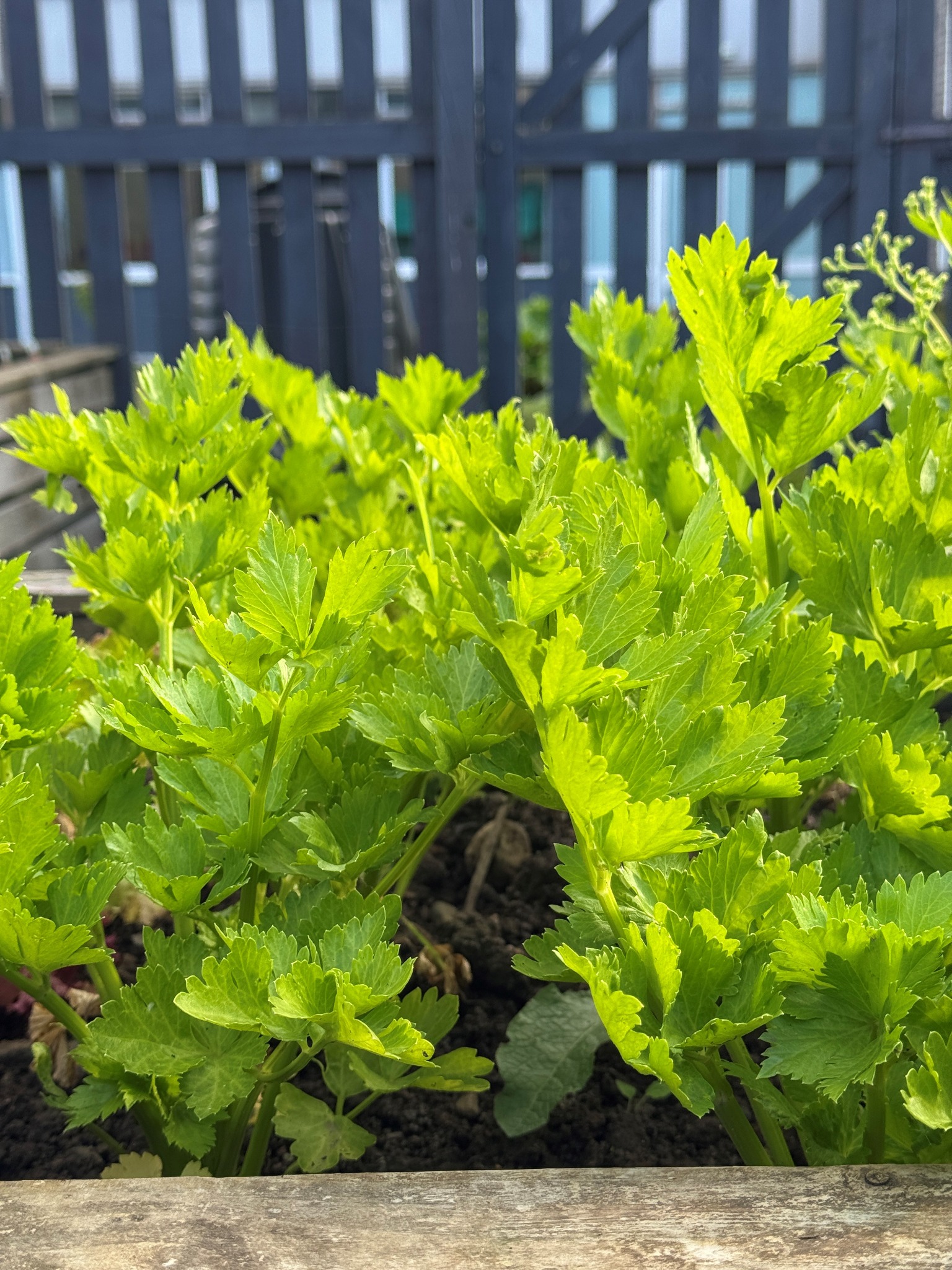
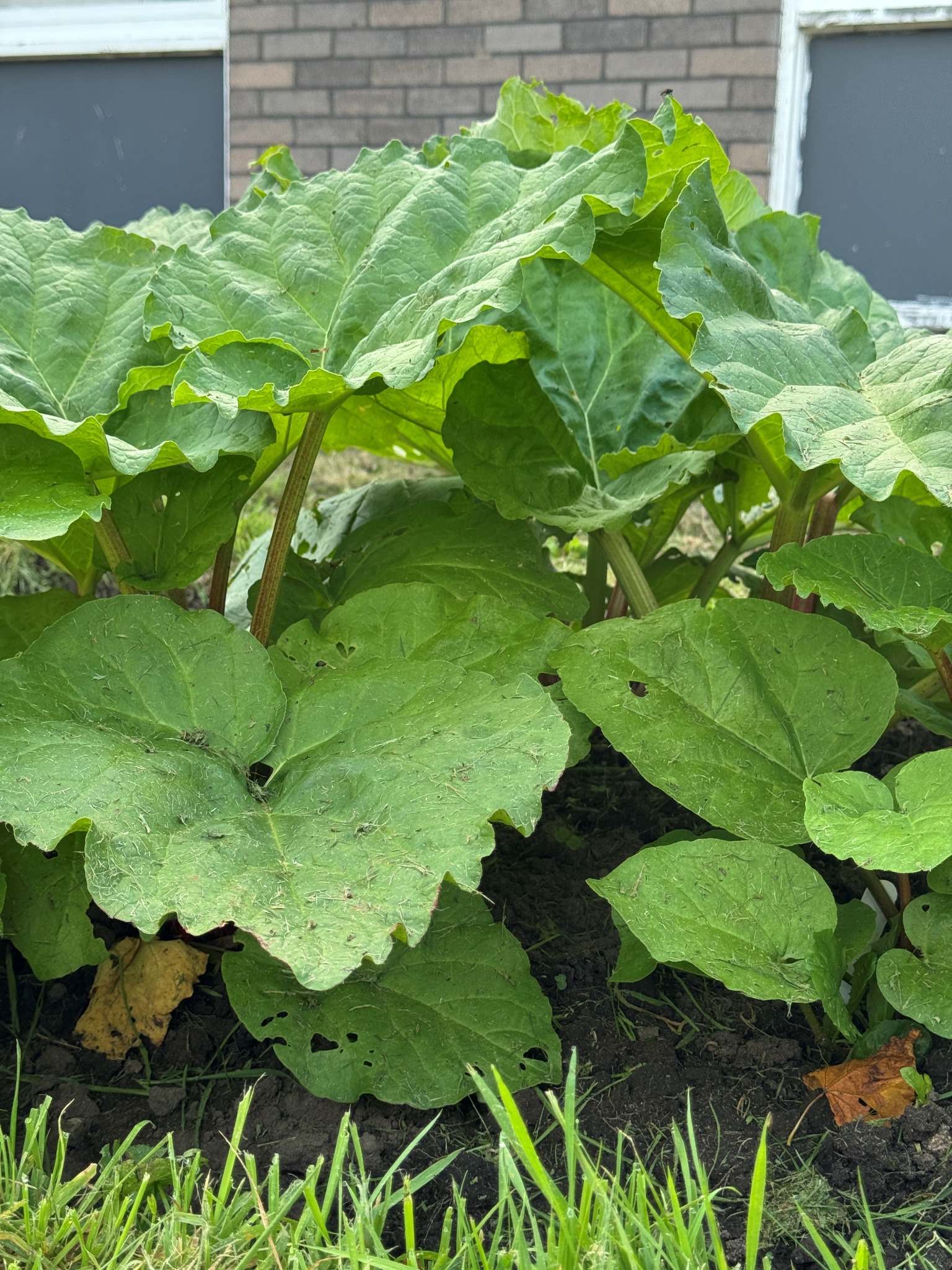
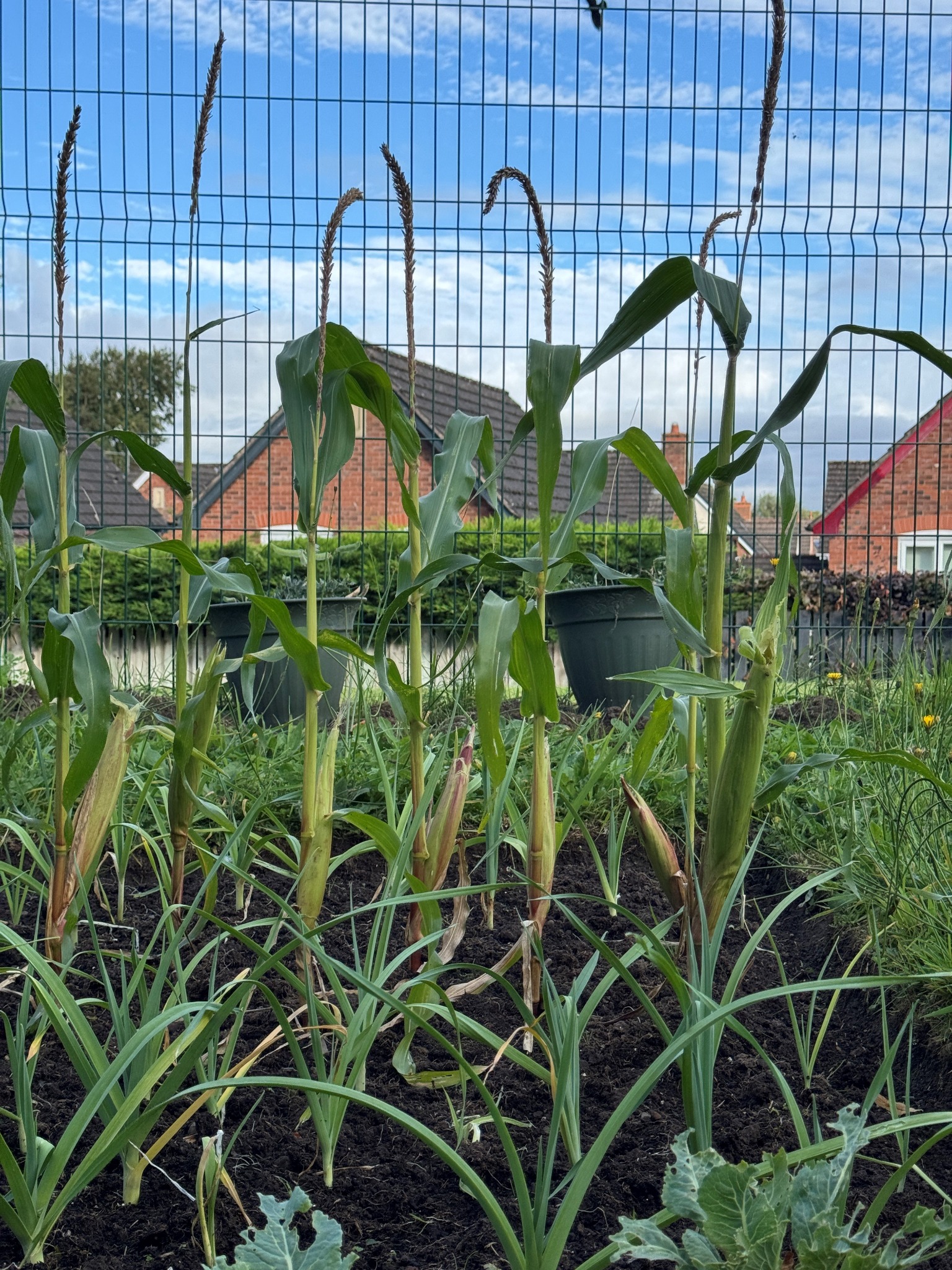
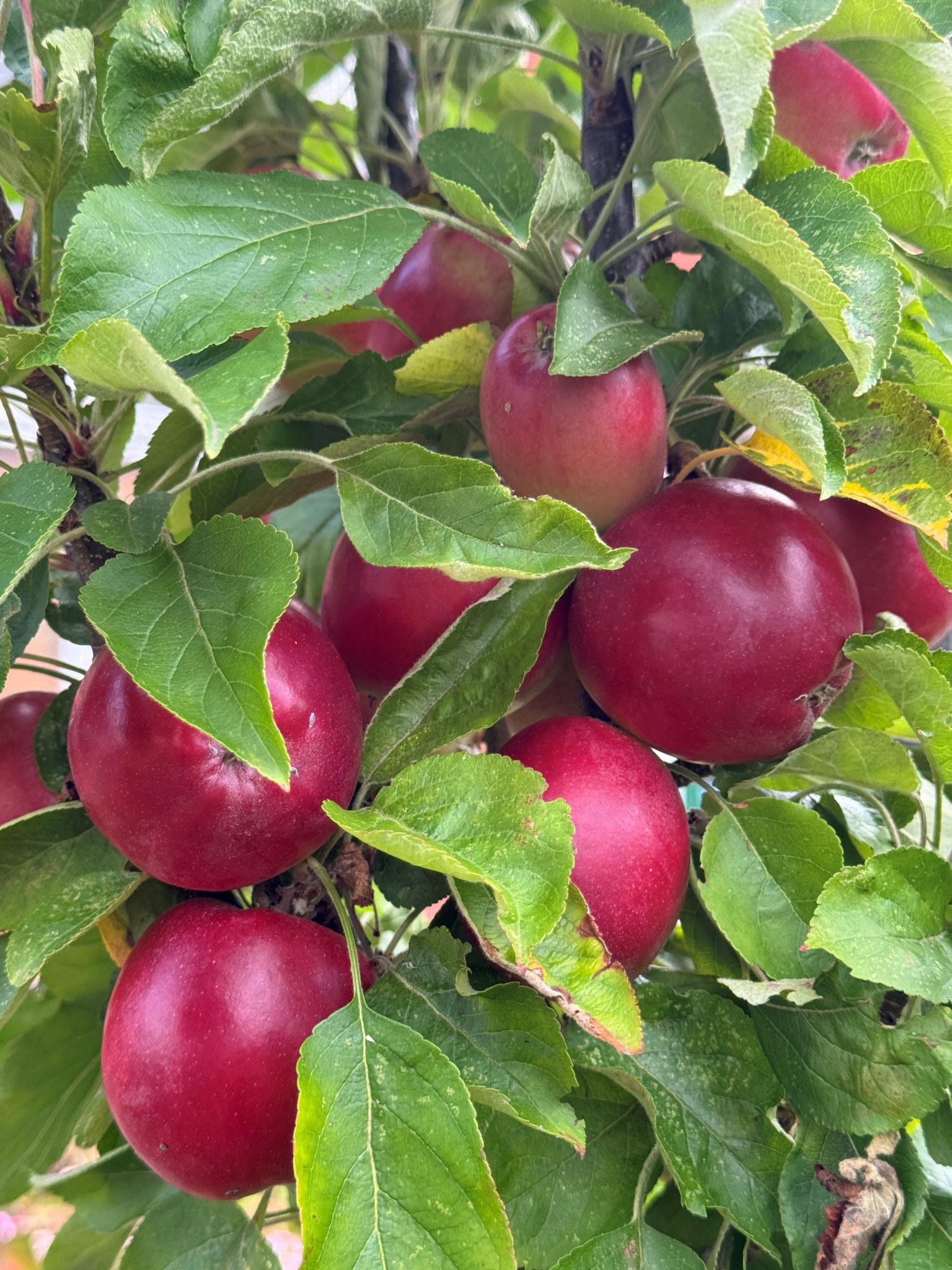
Photographs supplied by the project document community growing areas, planting and on-site work associated with the Brampton activity.

Communication and visibility

The project discussed defined treatment areas, explanatory signage, before-and-after style communication, social posts and local point-of-sale or window materials.

Schools and community groups

Project communications identify Brampton as a potential single local connection point for wider Cumbria community groups and schools. Any future network should be described according to the organisations that actually opt in.

Brampton photographic record

The project is now shown with the original photographs.

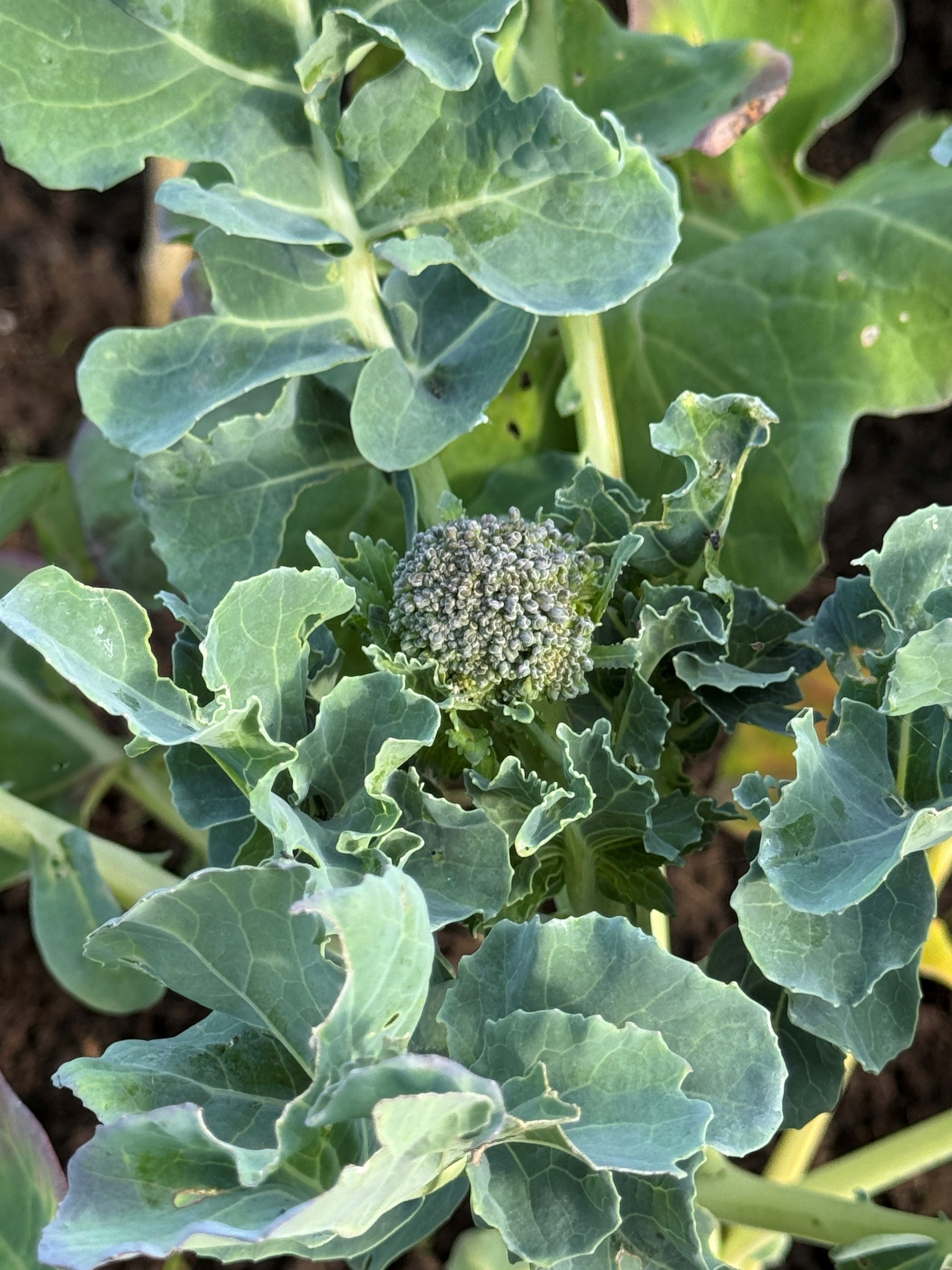
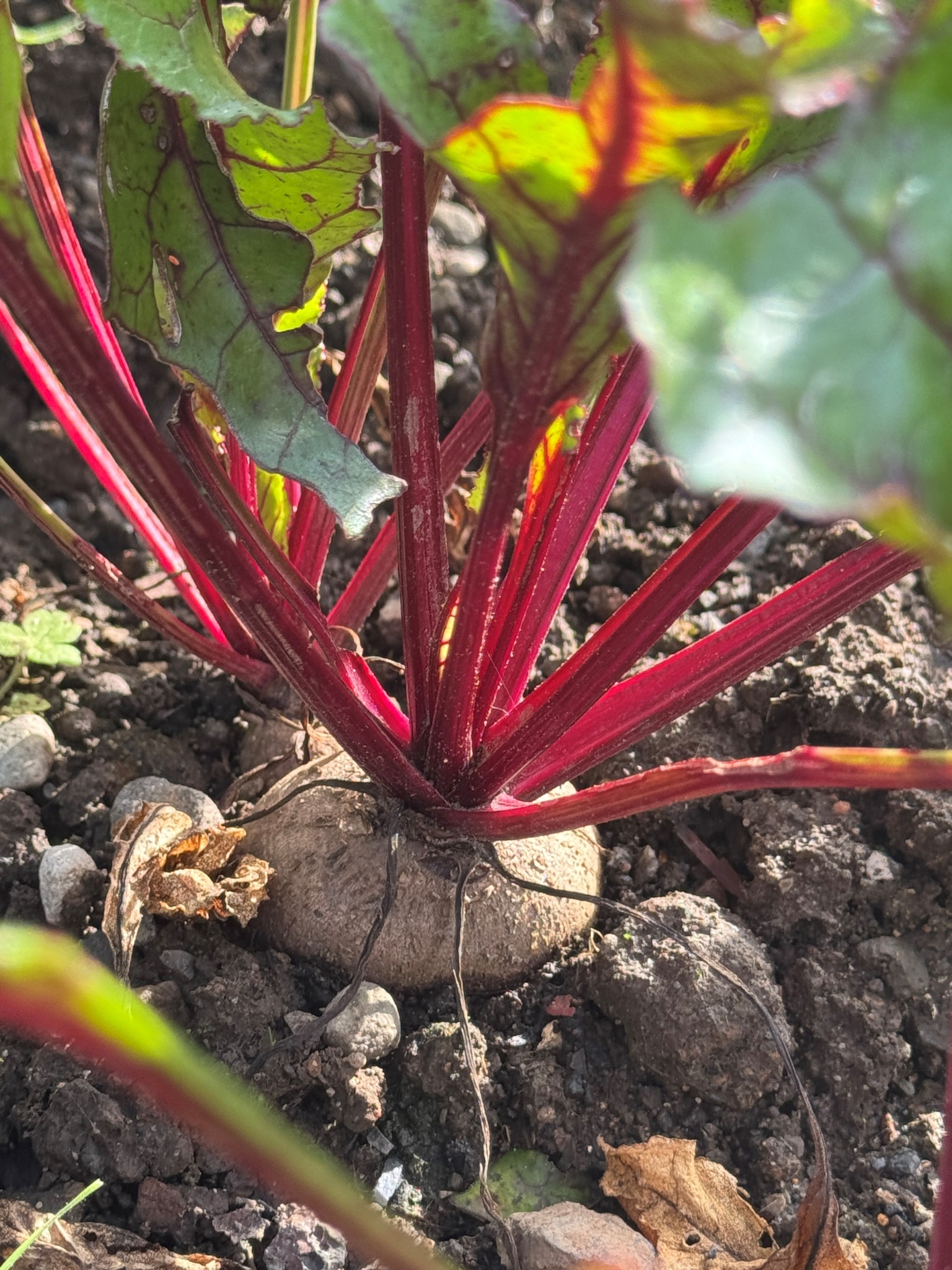
These photographs document the Brampton Community Centre growing areas, the plants being observed and the practical community work around them. They are presented as visual records rather than proof of cause and effect.

Featured comparison · photographed 14 September 2026

Strawberries with and without BioCharged CompBucha.

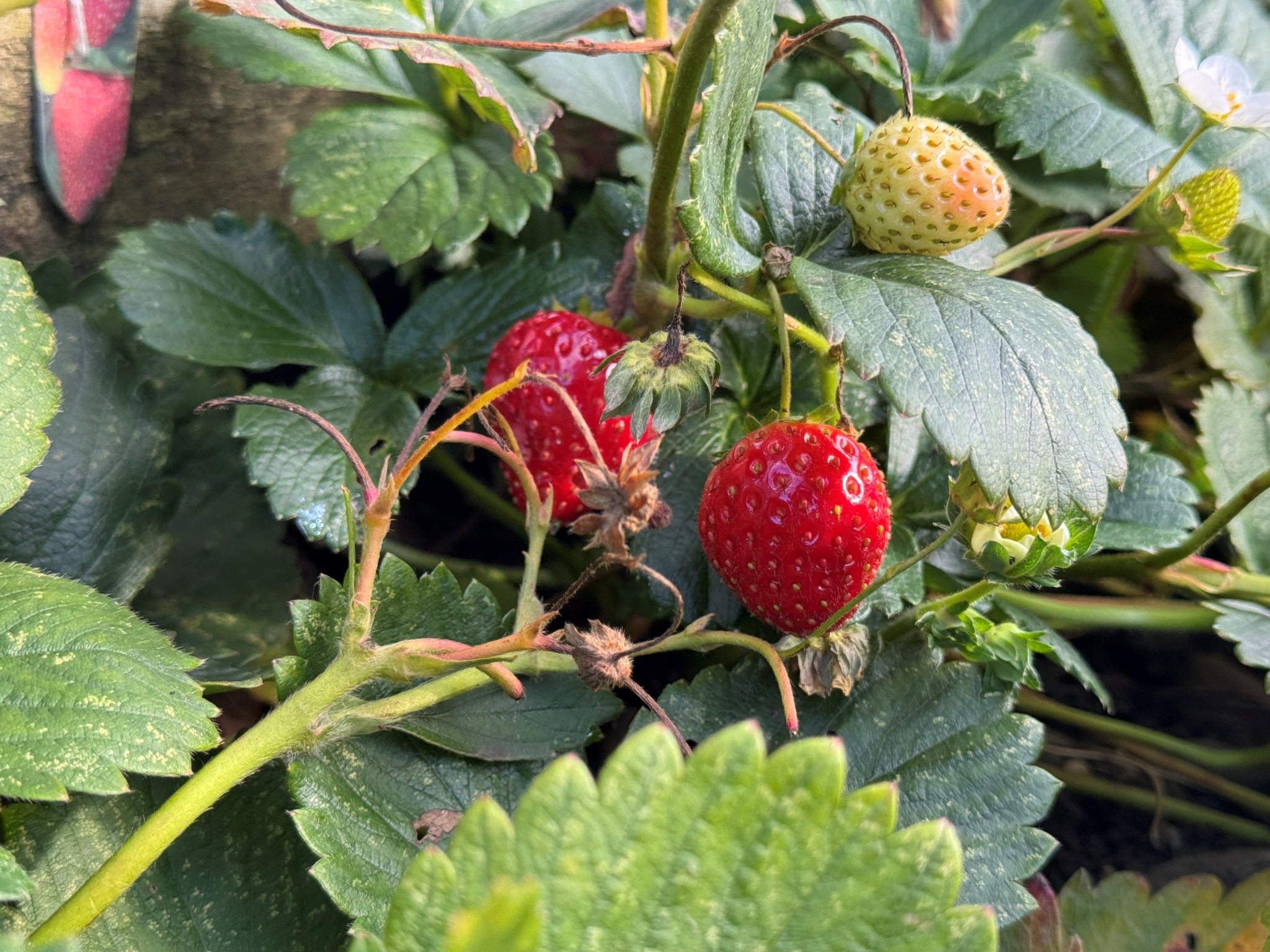
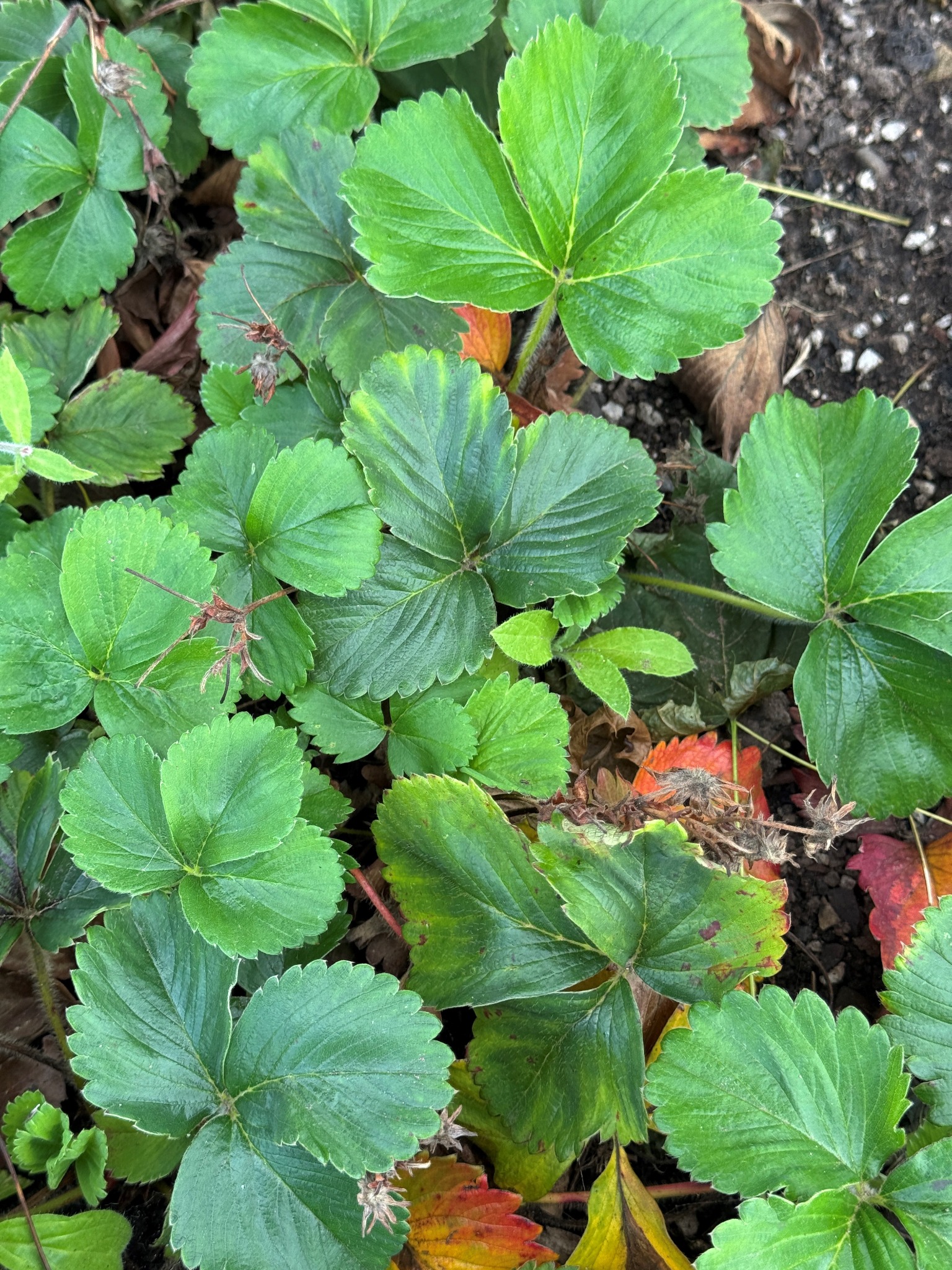
These photographs were taken on the same day at Brampton Community Centre and are shown side by side so visitors can see the visible difference recorded on 14 September 2026.

WITH BIOCHARGED COMPBUCHA
BioCharged CompBucha-treated strawberries photographed at Brampton Community Centre on 14 September 2026
BioCharged CompBucha-treated strawberries. At the time photographed, the plants showed continued flowering together with multiple developing and ripening fruits.
WITHOUT BIOCHARGED COMPBUCHA
Comparison strawberries without BioCharged CompBucha photographed at Brampton Community Centre on 14 September 2026
Comparison strawberries without BioCharged CompBucha. The photograph records substantially less visible fruiting activity at the time of observation.
What was observed on 14 September 2026: the BioCharged CompBucha-treated strawberries were visibly continuing to flower and carried multiple developing and ripening fruits, while the untreated comparison showed substantially less fruiting activity. This is a real-world community observation, not a controlled scientific trial, so the photographs document the difference observed on that date rather than proving that treatment alone caused it.
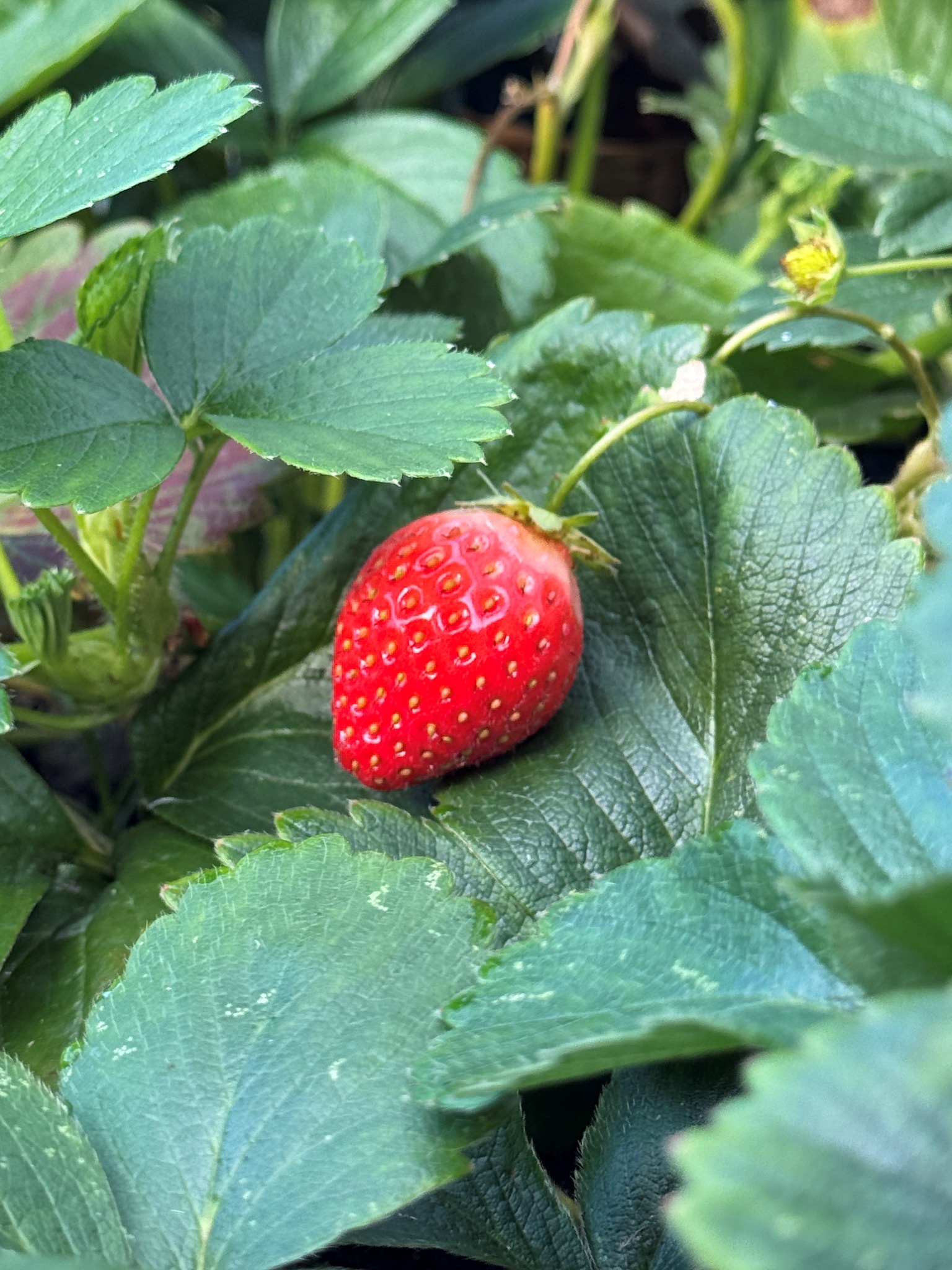
Close view of BioCharged CompBucha-treated strawberries at Brampton
Close view of flowering and fruit on the BioCharged CompBucha-treated strawberries.
Evidence boundary: variables such as plant history, position, water, variety and prior management would need to be controlled and replicated before a causal product-performance conclusion could be drawn.
Community growing gallery

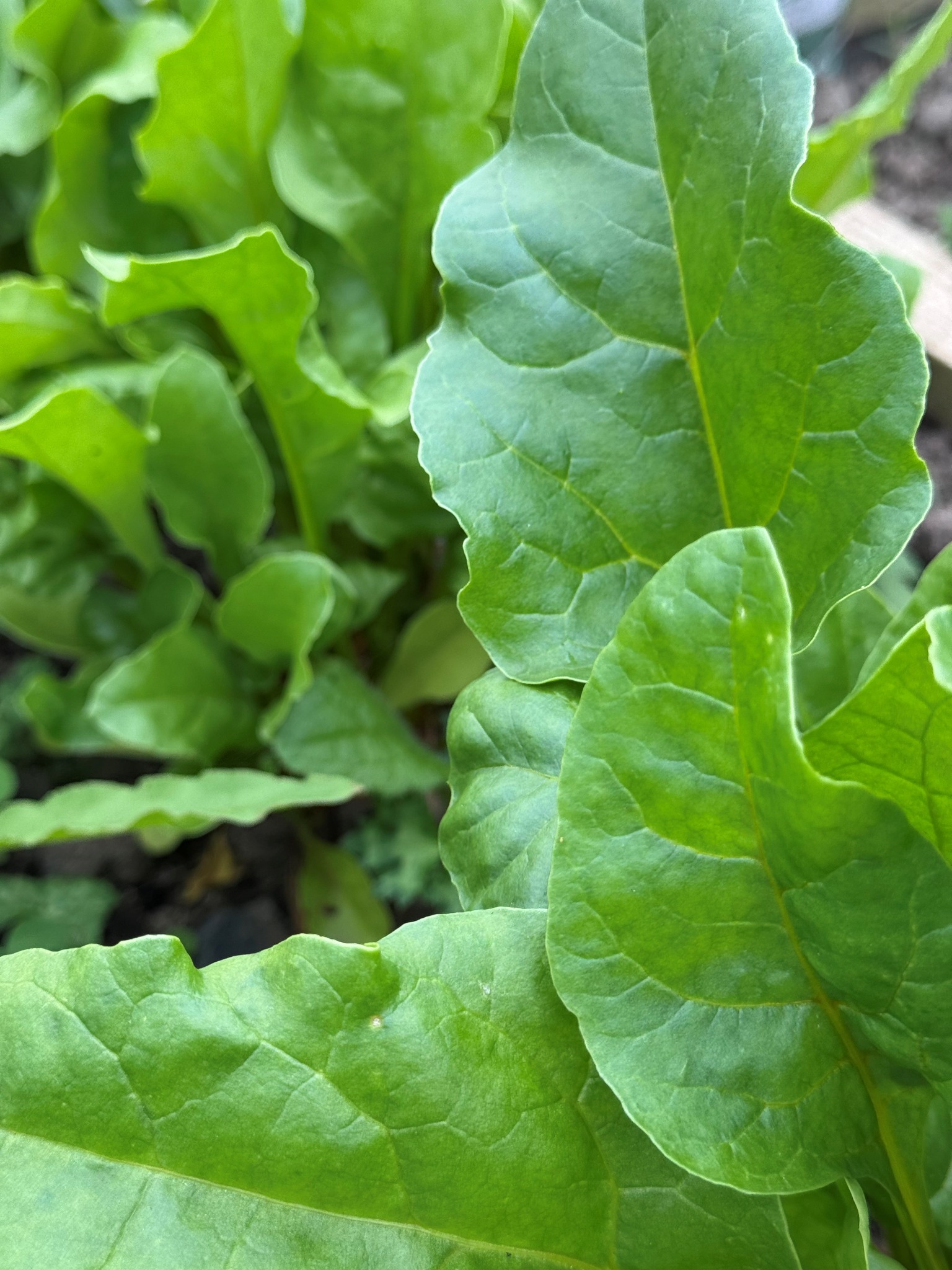
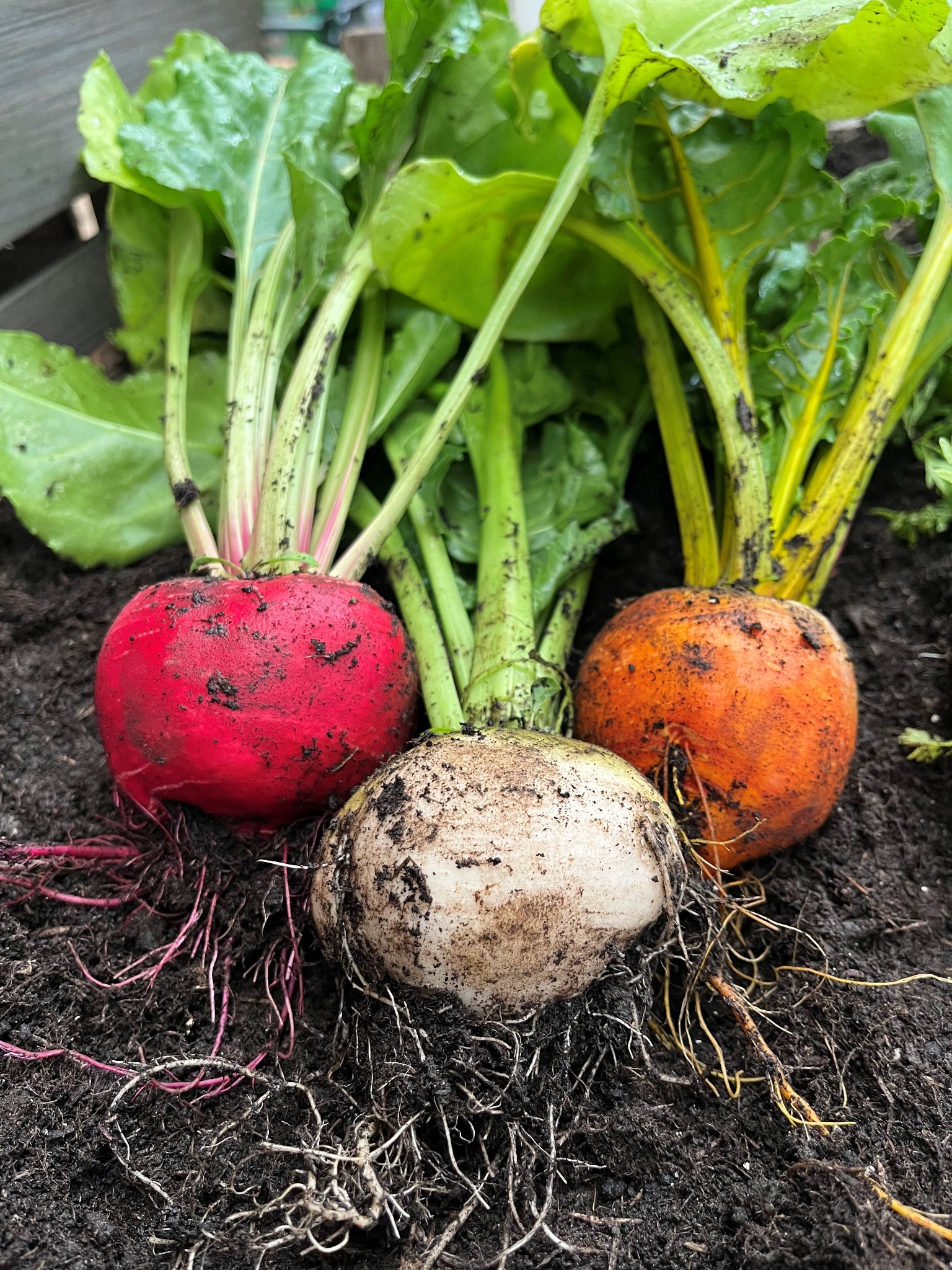
Vegetables, fruit and planting at Brampton.

A wider selection of the photographs supplied for the Brampton record.

Moota Garden Centre contribution

Plants contributed into the Brampton community work.

BCCC records that Moota Garden Centre contributed vegetables and trees for the Brampton activity, with those plants having been grown using BioCharged before donation.

This provides useful provenance for part of the plant material used in the community setting. It is recorded as a project contribution and should not be read as independent endorsement or as controlled evidence of efficacy.

Attribution: Moota Garden Centre is acknowledged here for the donated plant material. Product-performance conclusions remain subject to the separate evidence framework described on the Science page.
Vegetables at Moota Garden Centre
Vegetables photographed at Moota, part of the wider project record.
From Brampton to Britain

Local places make a national experiment possible.

The goal is not to turn every community centre into an identical project. It is to give local organisations a clear way to participate, use comparable methods where practical, keep original records and contribute useful observations.

Register a community space